Online Consumption Habits

When I look at my everyday consumption, one of the clearest pattern I noticed is how much of it happens online and from home. I would usually rather order food through delivery application like Foodpanda or Grab than physically go to a restaurant, browse products online instead of walking around shops and spend much of my free time gaming, watching videos or use social media. Even some of the things I spend money on are completely virtual such as the items in games. Because of this, I realised that my phone and my laptop have become some of the main tools through which I consume.
Convenience is actually one of the biggest reasons behind this pattern. If I am hungry, I can open a food delivery application, look through many restaurants, compare the meals and prices, read reviews and order without leaving my room. This is particularly useful when I am busy with university work, tired after a long day or simply don't feel like travelling somewhere else to eat. The amount of choices available on one platform also makes the process feel much easier. Instead of visiting several restaurants or checking different menus individually, I can see many options on one screen and decide what suits my mood and budget. Because of this, consumption becomes quicker, easier and more accessible. Wrigley and Lowe (2014) discuss how changes in retail and consumption spaces have transformed the ways customers access goods and services. Their ideas helped me to understand that consumption is no longer limited to physically entering a shop, shopping malls or restaurants. In my daily life, platforms such as Foodpanda have become consumption spaces themselves. Even though I am physically sitting in my room, I am still browsing products, comparing prices and making purchases decisions. In this sense, the digital environment replaces some of the functions that a traditional commercial space would normally provide. I realised how technology changed the way I consume in general.
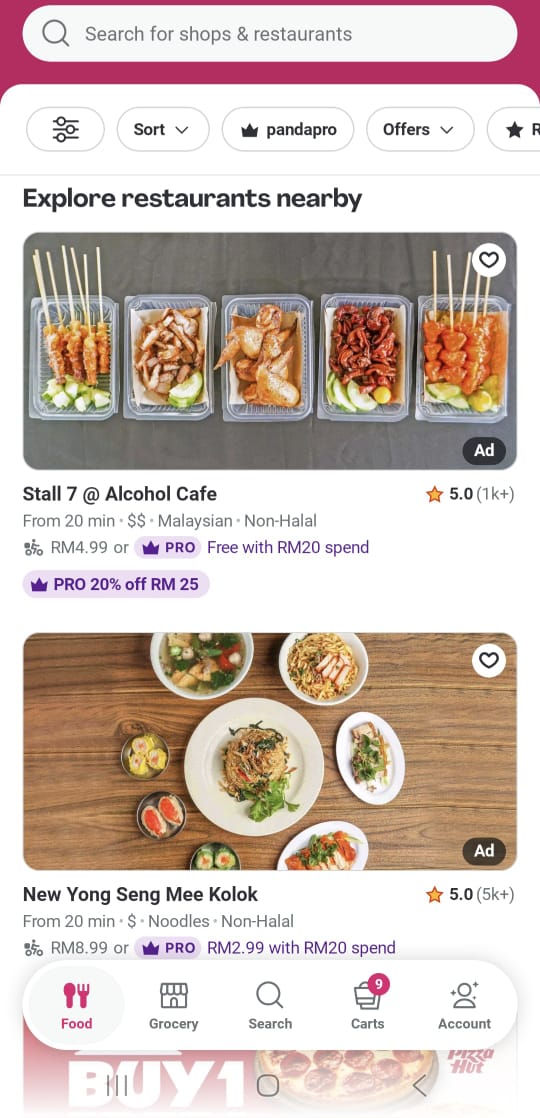
Another pattern I noticed is that I don't always open Foodpanda knowing exactly what to order. Sometimes, I only know that I am hungry and my final decision depends on what I see while scrolling. Photographs of meals, ratings, discounts, free delivery offers and recommendations can all influence what I eventually choose. A restaurant that I had not considered originally might become appealing if it appears at the top of the application or offers a large discount. Similarly, I can choose one meal over another one simply because the photograph looks more attractive to me or because many other customers have given it a higher rating. This shows that online consumption is not only about convenience. The way information is presented can also affect my choices. This is explained by D'Angelo (2006) who discusses about the increasing commodification of information within the consumer society.

Studying consumption unit has changed the way I understand my own consumption habits. I previously thought that ordering food online was simply a personal preference because it was easier and more comfortable. However, I now realised that this habit is also connected to the wider changes in contemporary consumer culture. Digital platforms have made consumption increasingly immediate, convenient and integrated into my everyday life. They changed the spaces where my daily consumption happens and the way information influences my consumer decisions. Foodpanda is more than just an application I use when I am hungry. It is also a commercial space where I browse, compare, evaluate and eventually make purchasing decisions. Looking at my own habits through these readings has helped me notice that my everyday consumption is influenced not only by my personal taste but also by convenience, technology, digital spaces and the information presented to me.


Comments