Influence of culture and ethnicity on my daily consumption habits.

When I look at my daily spending habits: from scrolling through food delivery applications like Foodpanda or Grab to buying skincare or choosing what music to listen to, I used to think my decisions were just random or quick preferences based on what I was feeling in the moment. However, when I actually stop to examine these choices, I notice something obvious: I am always drawn or influenced by familiarity. As a Chinese girl, my daily consumption is deeply related to my heritage and emotional comfort from sticking to the things I grew up with as a Chinese person.
The connection between who I am and what I choose to consume really clicked for me through our course materials. According to Noble and Ang (2018), our ethnic background and cultural heritage strongly guide how we engage with different forms of consumption, creating distinct taste patterns where individuals naturally gravitate toward practices and products that are related to their origins. Building on this idea, Intharacks et al. (2022) explain that ethnic identity is a key component of an individual's self-concept and his sense of belonging, who influence consumers towards products of their origin in terms of food, clothing and even media. I find myself through the readings as I am also influenced by my own ethnicity in terms of what I consume on a daily basis. For example, I mostly consume Chinese music or Chinese food that is emotional comfort. I find myself enjoying music that helps me to stay close to my Chinese heritage.
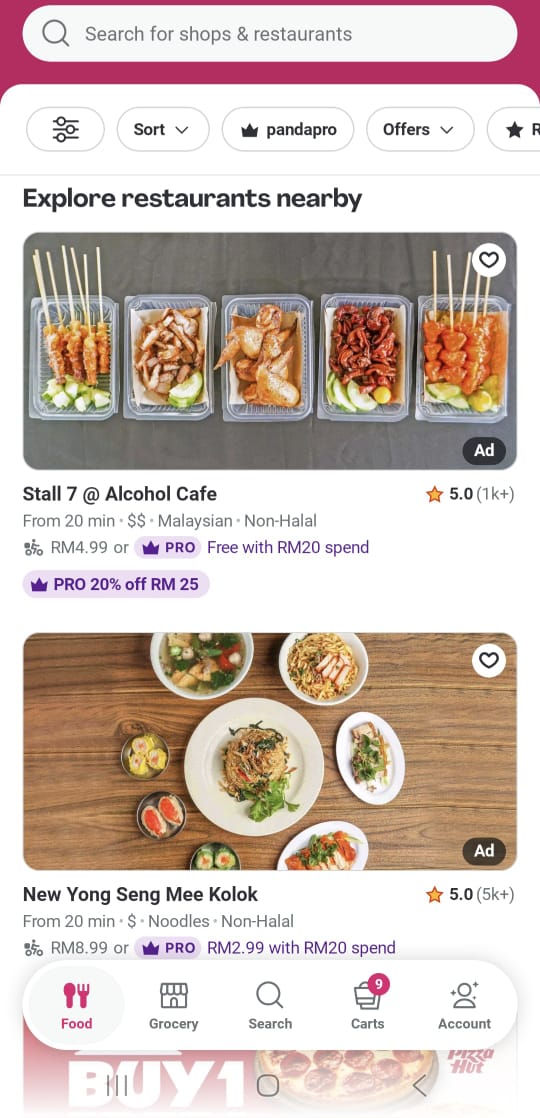
A really clear moment where I noticed this habit was when I moved from Mauritius to Malaysia for my university studies. We think that moving abroad in a new completely different country means trying new things and experiences. However, when I browse through food delivery applications or even when I go out to eat with my friends, I see myself still choosing the Chinese food that I am familiar with like dumplings or fried rice because they are what I feel most comfortable to eat instead of local Malaysian food.


Leaving my family and my home environment in Mauritius was a huge transition for me. In the middle of adjusting myself to a new country, choosing familiar food became my way of seeking for comfort and a little piece of home. As Noble and Ang (2018) discuss, multicultural environments encourage an increasing transnationalization of practices where we naturally hold onto our ethnic heritage even when we move abroad. Intharacks et al. (2022) also observe that retained connection to home culture and one's ethnicity can shape consumer preferences in the new country, acting as a trusted baseline when making choices. Being able to access the local chinese food in Malaysia gives me a sense of comfort. Realising this made me see that choosing what is familiar isn't about closing off to new experiences but simply acts as an emotional support when everything else is new.
Studying this unit of Consumption and especially the topic of Culture and Consumption made me understand more about my consumption habits. Before this topic, I never really paid attention as to why I was choosing certain type of products over others. This topic made me reflect on how my idendity as a Chinese was actually influencing me on my consumption patterns from what I choose to eat. I learned that familiarity mattered way more in my consumption patterns over trying new things.

Comments